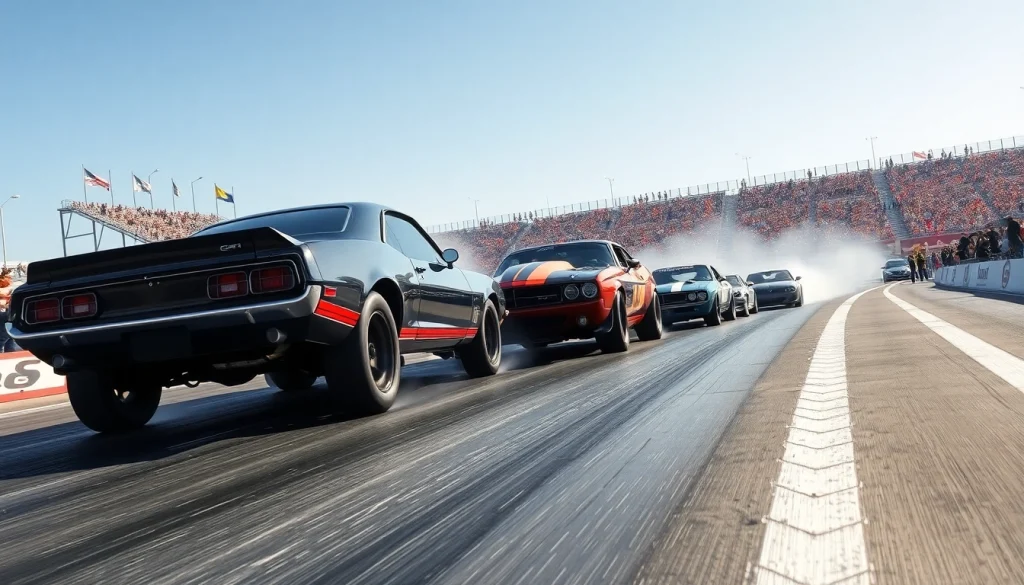
The Evolution of Drag Racing News
Drag racing, a motorsport that began as an underground activity, has burgeoned into a significant facet of American culture, capturing the hearts of fans globally. The dissemination of Drag Racing News has significantly evolved, paralleling the sport’s rise in popularity. Understanding the history and progression of this unique genre of news is paramount to appreciating the culture surrounding it. From grassroots racing events to high-stakes championships, the transformation in coverage reflects broader changes in technology, media consumption, and public interest.
Historical Context of Drag Racing
Drag racing originated in the United States during the post-World War II era, where returning servicemen modified their cars for street racing. The informal gatherings took place on public streets, creating a dangerous yet thrilling pastime that caught the attention of enthusiasts and spectators alike. By the late 1950s, organized events began to form, leading to the first NHRA (National Hot Rod Association) races designed to standardize competitions and promote safe racing practices.
Shift in Media Coverage
Initially, drag racing news and results were conveyed through word-of-mouth and local newspapers. As the sport gained traction, specialty magazines emerged, offering race results, car reviews, and driver interviews. This transition marked the beginning of a more structured approach to drag racing coverage, which only heightened in the digital age.
Impact of Digital Platforms on News Dissemination
The advent of the internet revolutionized how fans accessed drag racing news. Websites dedicated to racing news, like Drag Illustrated and Dragzine, provided instant access to race results, interviews, and highlights. Social media platforms, especially Facebook and Twitter, emerged as real-time news sources, with fans and insiders sharing updates, live commentary, and interactive content.
Current Trends in Drag Racing
As drag racing enters a new era, several trends are emerging that shape its current landscape. From technological advancements to the impact of social media, understanding these dynamics is crucial for enthusiasts and stakeholders.
Emerging Technologies in Racing
Today’s drag racing is significantly influenced by innovations such as telemetry, data analysis, and performance engineering. Teams utilize advanced data collection systems to analyze performance metrics in real-time, allowing for rapid adjustments during races. Innovations in aerodynamics and lightweight materials have also transformed vehicle designs, contributing to faster and more efficient dragsters.
Influence of Social Media on Fan Engagement
Social media has emerged as a vital tool for engaging fans and promoting events. Teams and drivers leverage platforms like Instagram and TikTok to provide behind-the-scenes content, interact with fans, and build personal brands. This direct interaction helps cultivate a dedicated fan base and makes the sport more accessible to a younger audience, thus enhancing overall engagement.
Statistics of Recent Events
Attendance and viewership statistics reflect the vibrant current state of drag racing. Notably, the Texas Motorplex recently set records for attendance, demonstrating the growing interest in major events. According to recent reports, viewership for key events has outpaced other motorsports, notably NASCAR, highlighting drag racing’s rising prominence in the motorsports arena. The increased viewership is not merely a numerical boost; it signals an increased interest from sponsors and advertisers, facilitating further growth opportunities.
Key Players in the Drag Racing Scene
Understanding the key personalities behind drag racing helps paint a broader picture of the sport’s environment and challenges. This includes not only the drivers but also teams, sponsors, and sanctioning bodies.
Notable Drivers and Their Stories
Among the most remarkable figures in drag racing, drivers like John Force, Brittany Force, and Tony Schumacher stand out. John Force, often regarded as the face of NHRA Drag Racing, holds an impressive number of championship titles, showcasing years of dedication and commitment. Interestingly, his journey from a struggling racer to a celebrated champion is a tale of resilience, demonstrating the passion that drives many in the sport.
Teams and Their Strategies
Successful racing teams employ a multifaceted strategy encompassing vehicle performance, crew coordination, and sponsorship acquisition. Teams like Don Schumacher Racing provide a blueprint; through systematic planning and execution, they achieve competitive results consistently. The integration of seasoned crew members into the teams is essential, marrying experience with strategy to enhance performance.
Race Track Competitions
Race tracks are the heart of drag racing, hosting thrilling competitions and showcasing elite drivers and teams. Tracks like the Houston Raceway Park and the Las Vegas Motor Speedway have become iconic venues, attracting large crowds and significant media attention. The experience of live races is amplified through state-of-the-art technology and hospitality, enhancing the overall experience for fans.
Challenges Facing the Drag Racing Industry
While drag racing continues to grow, it faces challenges that stakeholders need to address to ensure the sport’s future viability.
Economic Impact on Local Communities
Drag racing events can have substantial economic effects on local communities, providing revenue through tourism, hospitality, and local businesses. However, fluctuating sponsorships can negatively impact event funding, leading to potential cancellations or reduced scale events. Maintaining strong relationships with local businesses and stakeholders is crucial in ensuring continued support and financial viability for racing events.
Environmental Concerns Related to Racing
Environmental sustainability has become a prominent concern across all forms of motorsport, including drag racing. The sport’s impact on air quality and noise pollution has prompted discussions on introducing cleaner technologies and fuels. Efforts are underway to explore alternatives, such as electric drag racing, aiming to minimize environmental effects while still meeting the expectations for speed and performance.
Safety Protocols and Regulations
Ensuring the safety of drivers, crew members, and spectators is paramount in drag racing. Stricter regulations have been implemented to address crash safety and fire hazard protocols. Maintaining these standards ensures not just compliance but also builds confidence among participants and fans alike. Continuous assessments and improvements to safety measures are vital in navigating the high-risk nature of drag racing.
The Future of Drag Racing News
The next few years are critical for the drag racing industry as it adapts to new challenges and opportunities. Predictions suggest a landscape of innovation and cultural shifts that could redefine the sport.
Anticipated Changes in Race Formats
With technological advances continually advancing the sport, changes in race formats may emerge. Interactive experiences where spectators can engage digitally and in real-time might redefine how races are structured and perceived. Whether through augmented reality or live simulation experiences, themes are emerging that point to a more immersive spectator environment.
Predictions for Upcoming Races
Upcoming races promise excitement as rules evolve, technology enhances vehicle capabilities, and fan engagement deepens. Enthusiasts can expect to see established rivalries intensifying as new talent also enters the competitive field. The anticipation around these events hinges on both tradition and innovation, promising thrilling outcomes.
Role of Innovations in Shaping Future Events
Innovation will remain crucial as the sport evolves. Whether in vehicle performance, race format, or fan engagement, the integration of advanced technology will streamline operations and enhance spectator experiences. Stakeholders who embrace these changes and invest wisely will likely thrive in an increasingly competitive environment.