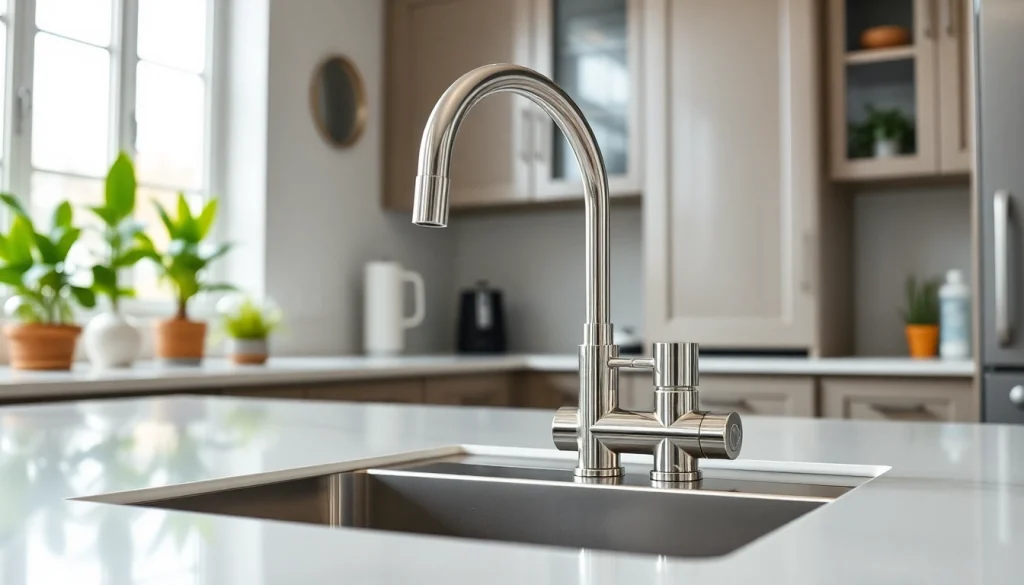
Understanding the 3 Way Kitchen Mixer Tap
What is a 3 Way Kitchen Mixer Tap?
A 3 way kitchen mixer tap is a modern plumbing fixture designed to provide hot, cold, and filtered water from a single spout. This innovative design eliminates the need for multiple taps in the kitchen, enhancing both convenience and aesthetic appeal. As more homeowners recognize the benefits of instant access to filtered water, the popularity of these taps has surged. Unlike traditional taps that only connect to the hot and cold water lines, a 3 way mixer tap integrates a third line for filtered water, making it a valuable addition to any kitchen.
How Does It Function?
The 3 way kitchen mixer tap operates through a clever internal mechanism that directs water from three separate supply lines—one each for hot, cold, and filtered water. Each line can be accessed using a single handle or separate controls, depending on the design. When you switch the tap on, you simply choose which type of water you want: filtered, hot, or cold. This makes for a highly efficient kitchen setup, reducing the time spent switching between different taps and enhancing the overall kitchen experience. In fact, the 3 way kitchen mixer tap is engineered for ease of use, encouraging households to stay hydrated with clean drinking water.
Key Benefits of Installing a 3 Way Mixer Tap
- Space Efficiency: These taps allow homeowners to declutter their sink by replacing multiple fixtures with just one.
- Cost Savings: By installing a filtration system within the tap, users can save on bottled water costs.
- Enhanced Water Quality: Many 3 way taps include integrated filters, providing direct access to purified water.
- Easy Installation: Designed to fit standard plumbing configurations, most 3 way taps can be installed without professional help.
- Modern Aesthetic: Available in various designs and finishes, these taps can complement a wide range of kitchen styles.
Choosing the Right 3 Way Kitchen Mixer Tap
Material Options and Their Benefits
When selecting a 3 way kitchen mixer tap, material choice is crucial for both durability and aesthetics. Common materials include:
- Stainless Steel: Highly resistant to rust and corrosion, stainless steel taps are durable and easy to clean, making them a popular choice in modern kitchens.
- Brass: Known for its strength, brass taps can be plated with various finishes and offer good resistance to wear and tear.
- Chrome: Chrome-plated taps are attractive and easy to clean, though they may require more upkeep to prevent water spots.
- Plastic: While lightweight and affordable, plastic options may lack the durability of metal taps.
Design Considerations for Modern Kitchens
When choosing a 3 way kitchen mixer tap, consider the overall design of your kitchen. Factors to keep in mind include:
- Style: Select a design that matches your kitchen’s aesthetic— whether modern, traditional, or minimalist.
- Height and Reach: Ensure the tap is compatible with your sink depth and allows for easy access regardless of your sink’s configuration.
- Handle Type: Decide whether you prefer a single handle or dual control for added convenience and ease of use.
- Finish: Choose from a variety of finishes like matte, glossy, or brushed to complement other fixtures.
Comparing Features and Price Points
As with any kitchen appliance, price can vary significantly based on features. Here are some common features to consider, along with their potential cost impacts:
- Water Filtering Capability: Taps with built-in filters may cost more upfront but can save money on bottled water over time.
- Swivel Spouts: Models that offer a 360-degree swivel capability are more versatile but may come with a higher price tag.
- Installation Kits: Some taps include comprehensive installation kits, simplifying the process and justifying higher costs.
- Warranty: Products with extensive warranties often provide greater peace of mind, making them worth the investment.
Installation Process for Your 3 Way Kitchen Mixer Tap
Tools and Materials Needed
Before installation, gather the following tools and materials:
- Adjustable wrench
- Screwdrivers (flat and Phillips)
- Plumber’s tape
- Hacksaw (if necessary for removing old fittings)
- Your new 3 way mixer tap
Step-by-Step Installation Guide
- Turn Off Water Supply: Ensure the water supply is turned off to prevent leaks during installation.
- Remove Old Faucet: Disconnect and remove your existing faucet using a wrench and screwdriver.
- Prepare the Sink: Clean the sink surface and apply plumber’s tape to the threads of the new tap for a secure fit.
- Install the New Tap: Position the new 3 way mixer tap into the sink hole and secure it in place following the manufacturer’s instructions.
- Connect Water Lines: Attach the hot, cold, and filtered water supply hoses to their respective lines; be sure they’re fastened tightly.
- Test for Leaks: Turn the water supply back on and check all connections for leaks.
- Final Adjustments: Make any necessary adjustments and ensure that the tap functions seamlessly.
Common Installation Mistakes to Avoid
While installing a 3 way kitchen mixer tap is relatively straightforward, common mistakes can lead to issues down the line:
- Ignoring Water Flow Directions: Make sure to attach the supply hoses according to their designated flow direction.
- Neglecting the Sealing: Failing to apply plumber’s tape can lead to leaks, so ensure a watertight seal at every joint.
- Loose Connections: Not securely tightening connections may result in leaks; use tools like a wrench to confirm tightness.
Maintaining Your 3 Way Kitchen Mixer Tap
Regular Cleaning and Care Tips
To ensure the longevity and optimal performance of your 3 way kitchen mixer tap, adhere to a regular cleaning regimen:
- Wipe Down After Use: Use a soft cloth to dry the faucet after each use to prevent mineral buildup.
- Deep Clean Monthly: Use a vinegar solution or a gentle cleaning agent to remove stains and mineral deposits.
- Avoid Abrasives: Never use steel wool or abrasive cleaners, as they can scratch the surface finish.
Identifying and Solving Common Issues
Over time, you may encounter issues with your 3 way kitchen mixer tap. Here’s how to identify and fix common problems:
- Low Water Pressure: Check for clogs in the faucet or hoses, ensuring they are clear and functioning correctly.
- Dripping Faucet: This may indicate worn washers or O-rings; inspect and replace as needed.
- Filtered Water Issues: If filtered water is not dispensed, check the filter for blockages or replace it as necessary.
When to Seek Professional Help
If DIY fixes do not resolve your tap issues, or if you’re uncomfortable tackling plumbing repairs, it’s wise to seek professional assistance. Additionally, any leaks or pressure issues inside walls should be promptly addressed to avoid further damage.
Making the Most of Your 3 Way Kitchen Mixer Tap
Innovative Ways to Use Your Mixer Tap
Enhance your kitchen experience by exploring innovative uses for your 3 way mixer tap:
- Cooking: Use filtered water for cooking and food preparation, ensuring the best taste in your dishes.
- Cleaning: Utilize hot water from the tap to aid in cleaning pots and pans, making cleanup easier.
- Gardening: Connect the filtered water line to watering cans or irrigation systems for healthier plants.
Integrating with Other Kitchen Features
Your 3 way kitchen mixer tap can be part of a larger kitchen ecosystem. Consider integrating it with:
- Water Filtration Systems: Optimize the filtration process further with an under-sink system for pure drinking water.
- Smart Home Devices: Upgrade to a smart mixer tap that can be controlled through voice commands or mobile apps.
- Pull-Down Sprayers: Combine with a pull-down sprayer for versatile cleaning options and ease of use.
Customer Testimonials and Success Stories
Many homeowners have already made the switch to 3 way kitchen mixer taps, with positive feedback highlighting their convenience, efficiency, and stylish designs. Common testimonials stress the ease of accessing filtered water directly from the tap, enhancing hydration habits in the family. Homeowners have reported significant reductions in their plastic waste because they no longer purchase bottled water and cite the aesthetic improvement in their kitchens as a bonus.