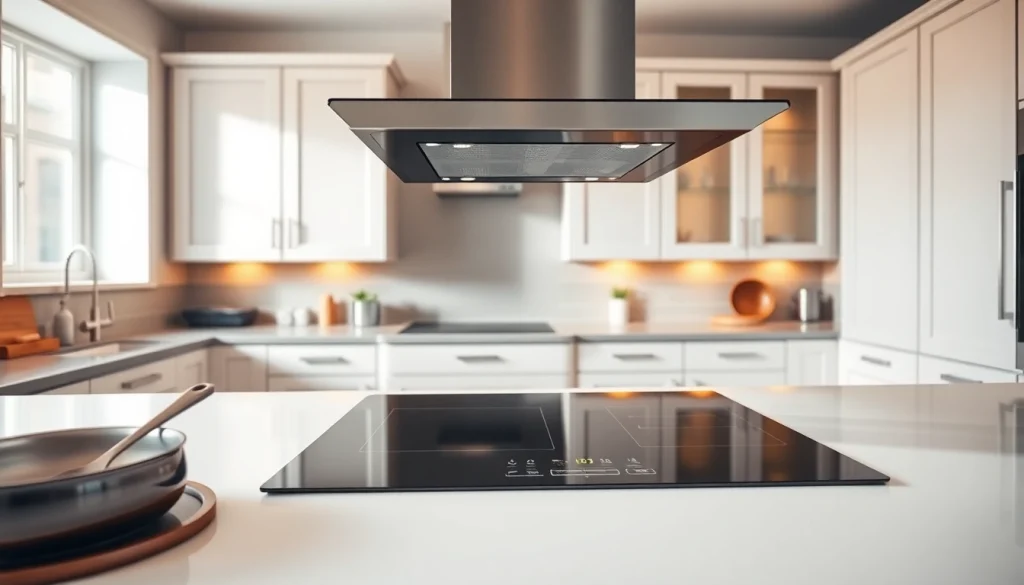
Understanding Induction Hobs
What is an Induction Hob?
An induction hob is a modern and highly efficient cooking appliance that uses electromagnetic technology to generate heat directly within the cooking pot or pan. Unlike traditional gas and electric cooktops, where heat is generated from beneath the cooking surface and transferred to the cookware, induction hobs create heat through electromagnetic fields that react only with ferrous (magnetic) materials. This technology allows for rapid heating, precise temperature control, and energy efficiency, making induction hobs a popular choice for both professional chefs and home cooks.
How Do Induction Hobs Work?
Induction hobs function by utilizing a copper coil beneath the cooking surface that produces electromagnetic waves. When a compatible pot or pan is placed on the hob, the electromagnetic field induces an electric current within the cookware, resulting in immediate and direct heating. This means that the hob itself remains cool to the touch, reducing the risk of burns and increasing safety in the kitchen. Additionally, because heat is generated directly in the cookware, cooking times are often shorter compared to other heating methods.
Benefits of Induction Cooking
- Speed: Induction hobs can heat up much faster than gas or electric hobs, often bringing water to a boil in half the time.
- Energy Efficiency: Since induction cooking heats the cookware directly rather than the surrounding air, it uses less energy, which is more environmentally friendly.
- Safety: The cooking surface remains relatively cool, minimizing the risk of burns and making it safer for households with children.
- Easy to Clean: Spillages don’t burn onto the surface as easily because the surface remains cool, allowing for simpler cleaning.
- Precise Temperature Control: Induction allows for very precise adjustments, giving chefs the control needed for delicate cooking techniques.
Integrated Extractor Systems Explained
What is an Integrated Extractor?
An integrated extractor refers to a ventilation system built directly into the induction hob, effectively combining two essential functions—cooking and air purification—into a single unit. This design offers a seamless aesthetic appearance in the kitchen and eliminates the need for overhead extractor hoods that can obstruct the view and take up valuable space. Integrated extractors typically feature powerful fan systems designed to draw in steam, smoke, and odors generated during cooking.
Advantages of Built-In Extractors
- Space-Saving Design: Integrated extractors eliminate the need for separate hoods, making them a perfect fit for smaller kitchens or modern open-concept layouts.
- Aesthetic Appeal: A sleek design integrates the induction hob and extractor hood, creating a streamlined appearance that enhances the kitchen’s overall look.
- Improved Air Quality: By effectively removing cooking fumes, integrated extractors help maintain a fresher indoor atmosphere, contributing to a healthier kitchen environment.
- Convenience: Having a single appliance for cooking and air extraction simplifies kitchen operations, allowing for a more efficient cooking experience.
Common Myths about Integrated Hobs
Despite their growing popularity, several misconceptions exist regarding integrated hobs with built-in extractors:
- They Are Less Effective: Many worry that integrated extractors won’t perform as well as traditional hoods. However, modern technology has advanced significantly, offering powerful suction capabilities that effectively handle culinary odors and smoke.
- More Expensive to Maintain: While initial costs may be higher, maintenance is often straightforward. Many systems include washable filters that are easy to clean and replace, reducing long-term costs.
- Limited Cooking Space: Some believe that using an integrated extractor limits cooking space. In reality, many high-end models are designed to accommodate multiple pots and pans simultaneously without sacrificing functionality.
Key Features to Look for in the Best Induction Hob with Integrated Extractor
Size and Compatibility
When choosing an induction hob with an integrated extractor, ensure that the size matches your kitchen layout. Most models come in various dimensions. Additionally, check compatibility with your cookware; ideally, it should feature ferrous material suitable for induction cooking. Consider models that allow for flexible cooking zones to accommodate various pot sizes and types.
Power Ratings and Efficiency
Power ratings are critical in determining how effectively an induction hob can operate. Higher wattage typically translates to faster heating times. Look for models that offer multiple power settings to help tailor cooking methods to specific recipes, thereby enhancing energy efficiency. Additionally, look for energy efficiency ratings, which can indicate how economical the unit will be in long-term use.
User-Friendly Controls and Features
Modern induction hobs come with user-friendly interfaces, including touch controls, timers, and preset cooking functions. Some models may even feature smart technology that allows users to connect via smartphone apps for remote operation. Ensuring the interface is intuitive can significantly enhance the cooking experience for both novice and experienced chefs.
Top Brands and Models
Comparing Popular Induction Hobs
When searching for the best induction hob with integrated extractor, several brands stand out:
- Bora: Renowned for their innovative downdraft systems, Bora’s induction hobs blend functionality with sleek designs. Customers often praise their effective extraction capabilities and rapid heating.
- Electrolux: A mainstay in kitchen appliances, Electrolux offers user-friendly induction hobs with integrated extractors that feature precise temperature control and efficient air extraction.
- Neff: Known for their high-quality construction and performance, Neff models often feature advanced technology for energy efficiency and easy-to-use features.
Customer Reviews and Feedback
Customer feedback is invaluable when narrowing down choices. Look for models that consistently receive high marks for performance, ease of cleaning, and overall satisfaction in cooking experience. Online forums and product review sites can provide real user insight into reliability and function, especially when considering long-term use.
Price Ranges and Budget Considerations
Induction hobs with integrated extractors can range significantly in price, generally falling between $800 to over $3000 depending on brand, features, and technology. It’s essential to balance your budget while considering the essential features that align with your cooking style and kitchen design. Additionally, investing in quality can mean fewer repairs and replacements over time, ultimately resulting in better long-term value.
Installation and Maintenance Tips
How to Install Your Induction Hob
While professional installation is typically recommended for complex units, DIY enthusiasts may tackle the installation with proper planning. Ensure the electrical setup meets the hob’s requirements, as most induction hobs require a dedicated electrical circuit. Follow manufacturer guidelines closely to ensure safety and functionality. Additionally, consider the ventilation setup, particularly if your extractor system requires ducting for optimal air circulation.
Cleaning and Maintenance of Integrated Extractors
Regular maintenance is key to keeping your induction hob and integrated extractor functioning optimally. Cleaning should be done frequently to prevent build-up of grease and debris. Most integrated extractors feature removable filters that can be washed or replaced as needed. Use gentle cleaning agents that won’t scratch the surface and always follow manufacturer instructions for best results.
Common Problems and Solutions
Some issues may arise with induction hobs and extractors, such as inconsistent heating or poor airflow. If you notice uneven cooking, ensure that your cookware is induction compatible and properly sized for the cooking zones. For airflow problems, check and clean or replace filters as necessary. If issues persist, referring to the user manual for troubleshooting or contacting customer support may be necessary to resolve complex problems.